AODD Pumps for Copper Processing in Zambia: Safer and More Reliable Fluid Transfer

AODD Pumps for Copper Processing in Zambia: Solving Fluid Transfer Problems in Mining and Plant Operations
Copper production in Zambia is expanding, and that means more pressure on the systems that keep plants moving every day. The headlines usually focus on mine output, concentrate volumes, smelters, and investment targets. But inside a working copper operation, a great deal of the real daily performance depends on something much less dramatic: whether fluids can be transferred safely, reliably, and without constant interruption.
That is where AODD pumps for copper processing in Zambia become highly relevant.
In copper operations, fluids do not move only through large headline equipment. Plants also depend on smaller but critical transfer duties every day. Chemicals need to be moved. Sumps need to be emptied. Dirty service fluids need to be handled. Maintenance teams need practical pump solutions that can deal with changing conditions without creating unnecessary electrical risk or overly complex maintenance demands. In many cases, the pain point is not that there is no pump on site. The pain point is that the existing pump is wrong for the duty.
That is the real problem this blog addresses.
A plant can have strong production potential and still lose time through poor fluid-transfer reliability. It can have expansion plans and still struggle with day-to-day chemical transfer. It can have a major concentrate-handling strategy and still lose hours because dirty, corrosive, or difficult liquids are not being moved as efficiently as they should be. That is why the right pump category matters.
For Zambia, this matters because the country’s copper sector is under real growth pressure. Reuters reported in March 2026 that Zambia is seeking investors to more than triple copper output to 3 million metric tons by 2031, and in June 2026 Reuters reported that the government extended a suspension of export duty on copper concentrates because major smelters were undergoing prolonged maintenance and repairs, leaving stockpiles of unprocessed concentrate to build up. These are not small signals. They show a sector where process flow, maintenance efficiency, and plant-side reliability matter every day. (reuters.com)
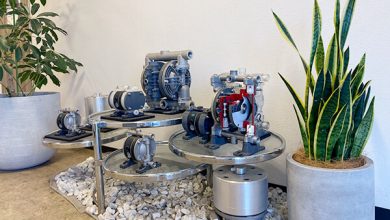
That is where YTS AODD pumps fit. The practical role of an air-operated double diaphragm pump in a mining and processing environment is not hard to understand. It is there to move fluids reliably in duties where simplicity, chemical handling, maintenance practicality, and safer operation matter.
Why Fluid Transfer Becomes a Serious Problem in Copper Processing
A copper operation is full of transfer points that are easy to ignore until they fail. People tend to think first about the main process stream, but a plant depends on many secondary and support flows that keep the whole operation functioning properly.
These can include:
- reagents and process chemicals,
- sump accumulation,
- dirty water,
- mixed maintenance fluids,
- washdown fluids,
- utility transfer duties,
- process-support liquids,
- and liquids that are too messy, too variable, or too awkward for the wrong pump type.
This matters because a plant cannot run efficiently if every minor transfer point becomes a maintenance event.
The real pain is often not dramatic. It shows up as:
- repeated pump stoppages,
- seal-related failure,
- chemical handling difficulty,
- unreliable suction in messy service,
- overcomplicated maintenance,
- or pumps that are too delicate for the environment they are placed in.
That is why chemical transfer pumps Zambia is a highly practical topic inside copper processing. The issue is not only whether a pump can move fluid in ideal conditions. The real question is whether it can continue doing the job in a plant environment where fluids may be corrosive, dirty, intermittent, variable, or maintenance-heavy.
Why This Matters More in Zambia Right Now
Zambia is not dealing with a quiet, low-pressure mining environment. It is trying to expand output in a market where operational reliability matters more than ever.
Reuters reported in March 2026 that Zambia produced 890,346 tons of copper in the prior year and is actively trying to raise that to 3 million tons by 2031. Reuters also reported in June 2026 that prolonged smelter maintenance and repairs had caused concentrate stockpiles to build up, forcing the government to extend a waiver on export duty for copper concentrate. That tells you something important: Zambia’s copper industry is moving, but it is also under stress. Where plants face output pressure, maintenance strain, and concentrate-handling complications, even smaller process-support failures become more expensive. (reuters.com)
In those conditions, reliable pump selection matters. A difficult duty that fails repeatedly may not stop the whole mine at once, but it can still slow plant work, complicate maintenance, and add avoidable friction into daily operations.
That is why AODD pumps for copper processing in Zambia are a sensible product-country topic. They address one of the most common hidden weaknesses inside active processing plants: unreliable fluid transfer in the supporting duties that keep everything else moving.
The Main Transfer Problems Copper Plants Face
The first problem is chemical transfer.
Copper processing depends on chemical handling. Reagents, treatment chemicals, and process-support liquids need to be moved safely and consistently. If chemical transfer is unreliable, maintenance teams are forced into repeated reactive work. A pump that struggles with compatibility, priming, or duty changes becomes a weak point very quickly.
The second problem is sump duty.
Plants accumulate liquid where nobody wants it to stay. Dirty water, process run-off, washdown fluid, and mixed residue collect in low points and service areas. If sump transfer is unreliable, the site begins losing time on a problem that should be routine.
The third problem is dirty-service fluid transfer.
Not every liquid in a copper plant is clean or easy to move. Some duties involve mixed or variable fluids that are too inconsistent for equipment designed for ideal fluid conditions.
The fourth problem is maintenance burden.
This is often where wrong pump selection becomes expensive. If the pump is too complicated, too delicate, or too dependent on perfect operating conditions, it stops being a solution and starts becoming another maintenance job.
The fifth problem is site suitability.
Some plant environments are not ideal for every pump type. In certain duties, a simpler air-operated approach can make more sense than a more complex electrically driven setup, especially where operating conditions are messy, hazardous, or variable.
Why Common Pump Choices Often Fall Short
A lot of pump problems in mining plants come from using the wrong type of pump for the duty rather than from having no pump at all.
Some common setups fall short because:
- they do not handle chemical duty well over time,
- they are more sensitive to variable fluid conditions,
- they create avoidable seal or maintenance issues,
- they are less practical for intermittent duty,
- or they are simply too much pump in the wrong way for the task.
In other cases, the problem is that the plant treats a support-transfer duty like a minor issue and assigns whatever pump is available rather than what is actually suitable.
That usually leads to repetition:
- the pump struggles,
- work slows,
- maintenance gets called,
- the duty is patched rather than solved,
- and everyone moves on until the same problem returns.
This is why the “usual method” often fails. The issue is not that the plant lacks pumping equipment. The issue is that it may lack the right pump category for the specific duty.
That is where air operated diaphragm pumps Zambia become relevant. In many service roles around copper processing, a simpler, more practical pump approach makes more sense than forcing a poor fit.
Why AODD Pumps Make Sense in Copper Processing
AODD pumps are useful because they solve a category of problems that plants deal with repeatedly:
- fluid transfer that is messy,
- chemical handling that needs practical reliability,
- intermittent duties that do not justify more complex systems,
- and service conditions where maintenance simplicity matters.
That is the value of the category.
In Zambia’s copper-processing environment, the attraction of AODD pumps is that they can be a practical answer to plant-side duties that need dependable movement of fluids without overcomplicating the solution. Where maintenance teams need a pump that is straightforward to deploy, service, and operate in dirty or variable conditions, this category becomes easier to justify.
That is the product logic behind YTS AODD pumps in this market. The focus should not be on hype. It should be on the fact that some transfer duties are better served by a pump type built for practical, repeated industrial use rather than one chosen for the wrong conditions.
Where These Pumps Fit Best in Zambia
The strongest fit is in copper-processing plants.
This is the clearest use case because processing sites have repeated chemical-transfer and utility-transfer duties that can become a constant frustration if the wrong equipment is used.
The second fit is in sump and service areas.
If liquids build up in low points, drains, or service zones, a reliable transfer method matters. The plant does not gain anything by treating sump duty as a chronic irritation.
The third fit is in maintenance support duties.
Workshops, service teams, and plant-maintenance crews often need practical pumps for fluid movement, cleanup, transfer, or support tasks. A pump that is simple and fit for duty can save more time than people expect.
The fourth fit is in chemical and reagent-related movement, where practical compatibility and dependable transfer matter.
The fifth fit is in remote or hard-working industrial environments where ease of service, operating simplicity, and suitability for rougher conditions become more important.
This is what gives mining process pumps Zambia and sump transfer pumps Zambia real relevance. These are not decorative duties. They are the functions that keep the rest of the plant from getting dragged down by avoidable interruptions.
Why This Matters to Operations, Not Just Maintenance
One mistake companies make is treating pump selection like a maintenance-only issue. It is not.
Yes, maintenance suffers when the wrong pump is installed. But so do:
- operations,
- housekeeping,
- chemical handling,
- task timing,
- area access,
- and plant continuity.
If a chemical transfer pump fails repeatedly, the issue moves beyond maintenance. If a sump cannot be cleared properly, the issue affects access and housekeeping. If dirty-service transfer becomes unreliable, the issue begins affecting wider plant work.
That is why this topic matters to more than one department.
The likely people who care about this in Zambia include:
- plant managers,
- maintenance managers,
- process engineers,
- HSE teams,
- workshop supervisors,
- operations managers,
- and procurement teams sourcing for reliable plant support equipment.
These people may not all describe the problem the same way, but they all feel the effects when the wrong pump is in the wrong place.
Why Copper Growth Makes the Right Pump More Important
A sector under expansion pressure has less tolerance for repetitive support failures. Zambia wants higher copper output. Mines are expanding, investors are being courted, concentrate movement is under pressure, and plant efficiency matters. In that kind of environment, even smaller service duties become more important because they either support flow or create friction.
That is the practical reason this product matters.
A site that wants to operate more efficiently cannot keep accepting avoidable pump-related disruption in chemical service, sump duty, or plant-support transfer. The cost of repeated small failures adds up.
That is why copper plant pump solutions Zambia is a commercially valid angle. The point is not to sell a pump for the sake of it. The point is to reduce friction in the duties that should already be under control.
What Good Pump Selection Looks Like
A good pump selection process does not start with brand preference. It starts with duty.
The site should ask:
- What fluid is being transferred?
- How clean or dirty is it?
- Is it chemical duty?
- Is it intermittent or continuous?
- Is the area maintenance-heavy?
- Is simpler operation more valuable than a more complex setup?
- Does the duty justify an air-operated pump approach?
That is the right decision path.
For the kinds of duties discussed here, the answer often leads toward an AODD pump because the category fits the need:
- practical fluid transfer,
- useful in dirty service,
- strong for many chemical and plant-support roles,
- and sensible where maintenance simplicity matters.
That is the core reason YTS belongs in this conversation.
Why This Is a Good TG Blog Topic
From TG’s point of view, this is a strong technical blog because it connects a real country to a real industrial problem and a practical solution.
The issue is:
plants need dependable transfer of chemicals, utility fluids, sump liquids, and dirty-service fluids.
The consequence is:
wrong pump choice creates repeat maintenance, delays, inefficient handling, and operational drag.
The solution is:
use a pump category that fits the duty more practically.
The CTA is clear:
TG can help the buyer discuss the application and select the right YTS AODD pump solution.
That is a strong sales-engineering story because it speaks to a real operating frustration.
Final Thought
Zambia’s copper sector is under pressure to grow, stabilize, and process more material more effectively. In that environment, daily plant reliability matters more than ever. Chemical transfer, sump duty, maintenance support, and dirty-service fluid movement may not be the most visible parts of a copper operation, but they are often where unnecessary delays begin.
That is why AODD pumps for copper processing in Zambia are worth serious attention. They offer a practical solution for fluid-transfer duties that become expensive when the wrong pump is used. For sites that want safer, simpler, and more dependable transfer in the right plant applications, that is a very worthwhile improvement.
FAQ
Why are AODD pumps relevant in Zambia’s copper plants?
Because copper-processing operations have routine duties such as chemical transfer, sump pumping, dirty-service fluid movement, and maintenance support where practical pump reliability matters.
What problems do the wrong pumps create in processing plants?
They can lead to repeated maintenance, unreliable transfer, chemical-handling difficulty, slower task completion, and avoidable operational delays.
Where do these pumps fit best?
They fit best in chemical transfer duties, sump areas, maintenance support roles, plant utility service, and other fluid-transfer tasks that need practical reliability.
Who should care about this solution?
Plant managers, maintenance teams, process engineers, operations managers, HSE personnel, and procurement teams all benefit when plant transfer duties are handled more reliably.
Need a Better Pump Solution for Copper Processing?
If your operation in Zambia is dealing with unreliable chemical transfer, difficult sump duty, or plant-side fluid-transfer problems, the right pump choice can make a serious difference in reliability and daily operations. For technical discussions, project support, or product guidance on YTS AODD pumps, contact Takmeel Global General Trading LLC, the official distributor of YTS.
Takmeel Global General Trading LLC
Office #315, Makatib Building
PO Box 85250, Port Saeed
Deira, Dubai, UAE
Phone: +971 52 692 2575 | +971 04 256 4920
Email: info@takmeeltrading.com