SupaVac SV60 and SV110: Air-Operated Solids Pumps for Sludge, Slurry and Industrial Cleanup Across GCC and Africa

Industrial sites across the GCC and Africa often deal with difficult pumping problems that ordinary pumps are not designed to handle. Refineries, petrochemical plants, mining sites, FPSO and FSO operations, tank cleaning contractors, shipyards, power plants, drilling operations, wastewater plants, and heavy industrial facilities all face the same operational challenge: how to recover and transfer sludge, slurry, solids, mud, tank-bottom residue, drill cuttings, ash, grit, spill waste, and other difficult materials without excessive downtime.
This is where SupaVac SV60 and SV110 air-operated solids pumps become highly relevant.
Both models are designed for vacuum loading and pressure discharge of difficult materials. They are not general clean-water pumps. They are built for industrial sites where the material is heavy, mixed, abrasive, wet, contaminated, settled, or difficult to access.
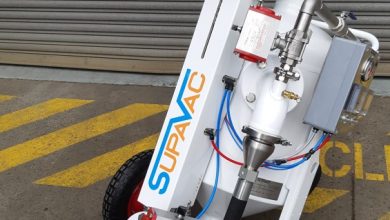
The SV60 is a portable solids pump suitable for many mobile cleanup and transfer applications. The SV110 is a larger mobile sludge pump designed for heavier-duty sludge, slurry, and solids handling. Together, these two models cover a wide range of real site requirements across oil and gas, marine, mining, construction, utilities, and industrial maintenance.
For customers across the UAE, Saudi Arabia, Oman, Qatar, Kuwait, Bahrain, and African markets, Takmeel Global supports SupaVac pump requirements for demanding sludge, slurry, sump cleaning, tank cleaning, and solids transfer applications.
Why GCC and Africa Need Air-Operated Solids Pumps
The GCC and African industrial sectors operate in some of the most demanding environments in the world. Oil and gas assets, mining operations, offshore units, ports, refineries, petrochemical plants, power stations, and infrastructure projects often face harsh site conditions, remote work locations, heavy materials, and strict downtime limitations.
Common site conditions include:
- High temperature environments
- Remote oilfield and mining locations
- Offshore and marine access limitations
- Tank cleaning during shutdown windows
- Heavy sludge accumulation
- Abrasive slurry and solids
- Limited manpower availability
- Hazardous or confined spaces
- Long discharge routes
- Difficult sump and pit access
- Need for portable, reliable equipment
In many of these applications, the issue is not simply “pumping liquid.” The real challenge is recovering difficult material from a tank, sump, pit, drain, pond, vessel, trench, or process area and transferring it safely to another location.
A conventional pump may fail if the material is too thick, too abrasive, too inconsistent, or too full of solids. It may clog repeatedly, lose suction, require excessive manual cleaning, or wear quickly. SupaVac pumps address this type of problem through an air-operated vacuum loading and pressure discharge principle.
What Makes SupaVac SV60 and SV110 Different?
SupaVac SV60 and SV110 pumps are 100% air operated. They use compressed air to generate high vacuum and airflow for recovering and transferring difficult materials.
This matters because many oil and gas, mining, marine, and industrial sites already have compressed air available. Air operation also removes the need for an electric motor at the immediate pumping point, which can be useful in certain harsh or hazardous working environments where the site prefers pneumatic equipment.
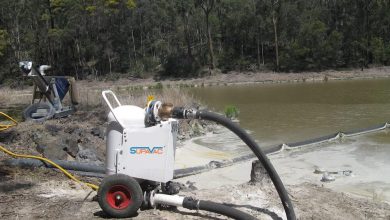
The operating principle is simple but effective. The pump pulls material into the vessel using vacuum loading. It then discharges the material under pressure through a discharge line. This makes the pump suitable for intermittent batch-style recovery and transfer of flowable sludge, slurry, solids-laden material, tank residue, and industrial waste.
The absence of internal rotating pumping components in direct contact with the material helps reduce common problems associated with unsuitable pumps, such as jamming, clogging, and damage caused by large or irregular solids.
SupaVac SV60: Portable Solids Pump for Mobile Cleanup and Transfer
The SupaVac SV60 is a portable solids pump designed for single-operator vacuum loading and pressure discharge applications. It is suitable for industrial users who need a compact but capable pump for site cleanup, sump cleaning, tank cleaning, spillage recovery, and solids-laden material transfer.
The SV60 is especially useful where the pump needs to be moved between different areas of the site. In refineries, workshops, drilling locations, vessel cleaning jobs, industrial plants, and construction sites, the requirement is often not fixed in one location. A maintenance team may need to clean a sump today, recover spillage tomorrow, and assist with tank sludge extraction during the next shutdown.
The SV60 fits this type of operational need.
Typical SV60 applications include:
- Sump cleaning
- Spillage recovery
- Tank cleaning and sludge extraction
- Desilting work
- Pneumatic excavation support
- Dewatering support where solids are present
- Drill cuttings transfer
- Mining slurry transfer
- Oil sludge recovery
- Industrial cleanup
- Construction site sludge removal
For GCC and African operations, the SV60 can be a practical option where portability, fast deployment, and versatility are important. It is suitable for many temporary and maintenance-driven pumping jobs where the material is difficult but the job scale does not require the larger SV110.
SupaVac SV110: Mobile Sludge Pump for Heavier-Duty Applications
The SupaVac SV110 is a mobile sludge pump designed for larger and heavier-duty sludge, slurry, and solids transfer applications. Compared with the SV60, the SV110 offers larger suction and discharge connections and higher throughput capacity, making it suitable for more demanding jobs.
The SV110 is relevant where the material volume is higher, the sludge is heavier, the solids are larger, or the application requires a more powerful mobile unit.
Typical SV110 applications include:
- Heavy sludge transfer
- Thickener desludging
- Sump and shaft cleaning
- Tailings and ash pond cleaning
- Digester and pond cleaning
- Oil spill capture and transfer
- Hazardous waste recovery
- Drilling mud and cuttings transfer
- Mining slurry transfer
- Tank-bottom sludge removal
- Refinery and petrochemical cleanup
- Large-scale industrial cleaning
For African mining operations, the SV110 can be especially relevant in sump cleaning, tailings handling, slurry recovery, pond desludging, and process waste transfer. For GCC oil and gas operations, it can support tank cleaning, oil sludge recovery, drilling waste transfer, spill response, and shutdown maintenance.
SV60 vs SV110: Which Pump Is Better for Your Application?
The SV60 and SV110 are not competing products in the same exact duty range. They are better understood as two different sizes within the same air-operated solids pumping approach.
The SV60 is better suited when the priority is portability, easier movement, and flexible use across smaller or medium-duty cleaning applications.
The SV110 is better suited when the site needs more throughput, larger solids handling, heavier sludge transfer, and stronger mobile capacity for larger industrial jobs.
Choose SupaVac SV60 When:
- The job requires a portable pump
- The site has multiple smaller cleaning points
- Sump cleaning and spillage recovery are common
- The application involves mobile maintenance work
- Space around the work area is limited
- The material is flowable sludge, slurry, or solids-laden waste
- A compact unit is preferred for fast deployment
- The site needs a versatile pump for different departments
The SV60 is a strong fit for maintenance teams, tank cleaning contractors, marine service companies, drilling contractors, factories, utilities, construction sites, and industrial plants that need a portable solids pump for recurring cleanup work.
Choose SupaVac SV110 When:
- The application involves heavier sludge
- The job requires higher transfer capacity
- The material contains larger solids
- The site needs a more powerful mobile sludge pump
- Tank-bottom waste is difficult to remove
- Mining slurries or tailings are involved
- Ash pond or pond cleaning is required
- Drilling mud and cuttings must be transferred
- Large-scale spill recovery or hazardous waste recovery is needed
The SV110 is a strong fit for refineries, petrochemical plants, mining operations, FPSO/FSO maintenance, power plants, wastewater facilities, drilling sites, and industrial contractors handling heavier-duty sludge and solids transfer.
Application 1: Tank Cleaning in Oil and Gas
Tank cleaning is one of the strongest applications for both the SV60 and SV110.
Oil storage tanks, cargo tanks, slops tanks, crude tanks, petrochemical tanks, and industrial process tanks can accumulate sludge, sediment, oil residue, sand, scale, and heavy tank-bottom waste. During cleaning or inspection, this material must be removed before further work can proceed.
Common tank cleaning pain points include:
- Thick tank-bottom sludge
- Oil sludge and residue
- Confined space exposure
- Manual removal challenges
- Long cleaning duration
- Difficulty pumping vertically or to remote discharge points
- Waste handling and offloading requirements
- Shutdown pressure
For smaller or more mobile tank cleaning duties, the SV60 can be a practical solution. For heavier residue, higher volume, or larger-scale operations, the SV110 may be more suitable.
In offshore and marine tank cleaning, the ability to recover material from tanks and transfer it to deck level or a controlled discharge point can significantly improve the cleaning method compared with manual handling.
Application 2: FPSO, FSO and Marine Operations
FPSO and FSO operations require equipment that can work in confined, complex, and high-risk environments. Tank sludge, cargo residue, oily waste, bilge sludge, and solids-laden waste must often be removed within tight maintenance schedules.
For marine and offshore users, key pain points include:
- Confined tank access
- Sludge at tank bottoms
- Pumping to topside
- Reducing personnel exposure
- Limited space for equipment
- Need for portable and reliable systems
- Waste offloading requirements
- Minimizing operational downtime
The SV60 and SV110 are highly relevant in these applications because they combine vacuum recovery with pressure discharge, allowing sludge and solids-laden material to be transferred more efficiently from difficult areas.
For GCC offshore operations and African marine energy projects, this makes the SV60 and SV110 useful options for contractors handling FPSO, FSO, tanker, barge, and marine cleaning work.
Application 3: Mining and Mineral Processing
Africa has major mining operations across gold, copper, cobalt, iron ore, bauxite, manganese, phosphate, coal, and other minerals. Mining sites generate difficult slurry, sludge, tailings, mud, and process waste that can damage unsuitable pumps or delay operations.
Common mining pain points include:
- Sump sludge
- Tailings transfer
- Thickener desludging
- Pond cleaning
- Abrasive slurry
- Conveyor sump waste
- Drill mud
- Process plant spills
- Remote site maintenance
- Limited access to cleaning areas
The SV60 may suit smaller sump cleaning and mobile maintenance tasks, while the SV110 is better suited for heavier mine sludge, slurries, tailings, and larger cleaning requirements.
For African mining contractors and site maintenance teams, the SV110 can be a strong option when larger solids handling and higher transfer capacity are needed.
Application 4: Refineries and Petrochemical Plants
Refineries and petrochemical facilities across the GCC and Africa deal with a wide range of sludge and solids transfer challenges. Tank-bottom residue, slops, oily waste, petrochemical sludge, process solids, and maintenance waste can be difficult to move using standard pumps.
Common pain points include:
- Pump clogging during sludge removal
- Sludge settling in pits and tanks
- Hazardous waste recovery
- Oil sludge transfer
- Slops sump cleaning
- Shutdown delays
- Need for safer cleaning methods
- High cost of manual removal
The SV60 is suitable for portable, recurring cleanup work, while the SV110 can be considered for heavier sludge and larger-scale transfer. Both models help maintenance teams and contractors approach sludge handling with equipment designed for the application instead of forcing ordinary pumps into difficult service.
Application 5: Drilling Mud and Cuttings Transfer
Drilling operations may generate water-based mud, oil-based mud, cuttings, contaminated waste, and solids-laden fluids. These materials can be difficult to transfer because they vary in density and solids content.
Common drilling-related pain points include:
- Drill cuttings handling
- WBM and OBM transfer
- Mud pit cleaning
- Sump cleaning around drilling sites
- Remote site cleanup
- Solids-laden fluids
- Waste movement during rig maintenance
The SV60 can support smaller drilling waste transfer tasks and mobile cleanup. The SV110 can support heavier drilling mud and cuttings transfer applications where higher capacity and larger solids handling are required.
For oilfield service providers across the GCC and Africa, this application can be highly relevant.
Application 6: Power Plants, Ash Ponds and Utilities
Power plants and utility facilities may need to handle ash, sludge, lagoon residue, sediment, drain waste, and sump material. These materials can be abrasive and difficult to pump.
Common pain points include:
- Ash pond cleaning
- Lagoon desilting
- Drain and pit cleaning
- Sump sludge
- Conveyor area waste
- High-solids slurry
- Plant maintenance cleaning
The SV110 is generally more suitable for heavier ash pond, pond cleaning, and high-volume sludge transfer applications. The SV60 may be useful for smaller utility cleaning jobs, local sump cleaning, and mobile maintenance work.
For African and GCC power sector users, these pumps can support shutdown cleaning and recurring plant maintenance.
Application 7: Wastewater, STP, ETP and Industrial Effluent
Municipal and industrial wastewater facilities deal with sludge, grit, settled solids, digester residue, screen trap waste, pond sludge, and effluent treatment waste.
Common pain points include:
- Digester sludge
- Grit channels
- Settling ponds
- Raw effluent sludge
- Screen trap cleaning
- Drain and sump residue
- Clogging of unsuitable pumps
- Odour and housekeeping challenges
The SV60 can support mobile wastewater cleanup and smaller sludge recovery tasks. The SV110 is more suitable for heavier sludge, pond cleaning, and higher-volume transfer.
For industrial plants and municipal contractors across Africa and the GCC, this is a practical application where the correct pump selection can reduce cleaning delays and improve site maintenance.
Why Air Operation Matters
One of the most important advantages of SupaVac SV60 and SV110 pumps is their air-operated design.
Industrial sites may prefer air-operated pumping for several reasons:
- Compressed air is commonly available on many sites
- Pneumatic equipment can be practical in harsh industrial environments
- No electric motor is required at the immediate pumping point
- The system supports vacuum loading and pressure discharge
- The pump can be used for difficult and changing material conditions
- The design reduces reliance on rotating internal pumping components in contact with the media
This makes the SV60 and SV110 suitable for many demanding industrial sectors where electric pumps or conventional rotating equipment may not be ideal for the material being handled.
Technical Comparison: SV60 and SV110
The SV60 is designed as a portable solids pump with 75 mm suction and discharge connections, solids handling up to 50 mm, and throughput capacity up to 27 m³/hr at SG 1.0.
The SV110 is designed as a larger mobile sludge pump with 100 mm suction and discharge connections, solids handling up to 70 mm, and throughput capacity up to 32 m³/hr at SG 1.0.
In practical buyer terms, the SV60 is the more portable option for flexible use, while the SV110 is the stronger option for heavier sludge and larger material transfer requirements.
Buyer Checklist Before Choosing SV60 or SV110
Before selecting either model, the site team should review the actual pumping problem in detail.
Important checks include:
- What material needs to be transferred?
- Is it sludge, slurry, mud, oil sludge, ash, tailings, grit, cuttings, or process waste?
- What is the approximate solids content?
- What is the maximum expected particle size?
- Is the material flowable?
- Is the material abrasive, oily, sticky, or chemically aggressive?
- Where is the material located?
- Is the pump needed for a tank, sump, pond, pit, drain, vessel, shaft, or trench?
- What suction distance is required?
- What discharge distance is required?
- Is vertical pumping involved?
- What compressed air supply is available?
- Is the work temporary, mobile, or continuous?
- Does the site require carbon steel, stainless steel, or other material options?
- What accessories, suction tools, hoses, or discharge fittings are needed?
A correct recommendation depends on these details. The wrong pump selection can result in poor performance, increased wear, excessive air consumption, or unnecessary downtime.
Common Buyer Mistakes to Avoid
Mistake 1: Choosing by Pump Size Alone
A bigger pump is not always the right answer. The SV60 may be more practical when portability and fast movement are more important than higher transfer capacity.
Mistake 2: Ignoring Solids Size
The SV60 and SV110 have different solids-handling ranges. Buyers should check the expected solids size before selecting the model.
Mistake 3: Treating Sludge and Slurry as the Same
Oil sludge, mining slurry, ash slurry, wastewater sludge, and drilling mud behave differently. The material should be reviewed before choosing the pump.
Mistake 4: Forgetting Air Supply
Air-operated pumps require suitable compressed air. The available compressor capacity should be confirmed early.
Mistake 5: Not Checking Discharge Distance
Recovering material is only half the job. The pump must also discharge it to the required location.
Mistake 6: Buying Without Reviewing Accessories
The correct hose size, suction tools, discharge fittings, control box, and spare parts can make a major difference to site performance.
Why Choose Takmeel Global for SupaVac SV60 and SV110
Takmeel Global supports SupaVac pump requirements for customers across the UAE, GCC, and Africa. For buyers dealing with sludge, slurry, tank cleaning, mining waste, oil sludge, sump cleaning, drilling waste, ash pond material, or industrial cleanup, Takmeel helps review the application and identify the right SupaVac direction.
Takmeel works with oil and gas companies, industrial contractors, EPC teams, tank cleaning companies, marine service providers, mining operators, refineries, petrochemical plants, utilities, and heavy industry buyers who need reliable equipment for difficult material transfer.
The SV60 and SV110 are two of the most useful SupaVac models for regional industrial requirements because they offer practical coverage across portable cleanup, sludge extraction, sump cleaning, tank maintenance, mining slurry, and heavy industrial transfer applications.
Customers can share their material type, project location, suction and discharge requirements, compressed air availability, and expected application so Takmeel can support the selection process.
FAQs About SupaVac SV60 and SV110
What is the difference between SupaVac SV60 and SV110?
The SV60 is a portable solids pump suited for mobile cleanup, sump cleaning, tank cleaning, spillage recovery, and medium-duty transfer. The SV110 is a larger mobile sludge pump suited for heavier sludge, larger solids, higher-volume transfer, tank-bottom waste, mining slurry, and more demanding industrial applications.
Can SupaVac SV60 and SV110 be used for tank cleaning?
Yes. Both models can support tank cleaning and sludge extraction applications. The SV60 is useful for portable and smaller-scale cleaning, while the SV110 is better suited for heavier sludge and larger tank-bottom residue transfer.
Are SV60 and SV110 suitable for oil and gas applications?
Yes. SupaVac pumps are used in oil and gas, offshore, drilling, tank cleaning, and industrial sludge transfer applications. Correct model selection depends on site conditions and material details.
Can these pumps handle mining slurry?
Yes. SupaVac SV60 and SV110 can be considered for mining slurry and sludge applications. The SV110 is more suitable where heavier material, larger solids, or higher transfer capacity is required.
Do SupaVac SV60 and SV110 need electricity?
The SV60 and SV110 are 100% air operated and require compressed air. The site must confirm that suitable compressed air supply is available for the selected model.
Which pump is better for Africa mining sites?
For heavier mining sludge, tailings, pond cleaning, and larger slurry transfer applications, the SV110 is generally the stronger option. For smaller mobile cleanup and sump cleaning tasks, the SV60 may be suitable.
Which pump is better for GCC refineries and petrochemical plants?
For portable maintenance, sump cleaning, and medium-duty sludge transfer, the SV60 can be suitable. For heavier tank-bottom sludge, oil sludge, slops, and larger transfer jobs, the SV110 may be more appropriate.
Can Takmeel support SupaVac enquiries for GCC and Africa?
Yes. Takmeel Global supports SupaVac pump enquiries for customers across the UAE, GCC, and Africa. Customers can contact Takmeel with application details to review suitable SupaVac pump options.
Conclusion
SupaVac SV60 and SV110 pumps are practical solutions for industries that need to recover and transfer difficult materials such as sludge, slurry, mud, oil residue, drill cuttings, ash, tailings, spill waste, and solids-laden liquids.
For GCC and African industries, the SV60 and SV110 are especially relevant because many sites deal with harsh operating conditions, remote locations, shutdown pressure, confined spaces, and heavy industrial waste. The SV60 offers portability and flexibility for mobile cleanup and medium-duty transfer, while the SV110 provides stronger capacity for heavier sludge, larger solids, and more demanding applications.
Whether the requirement is tank cleaning in a refinery, slurry transfer at a mine, sludge recovery on an FPSO, sump cleaning at a petrochemical plant, ash pond cleaning at a power station, or industrial cleanup at a manufacturing site, the correct SupaVac model can help improve the way difficult material is handled.
Contact Takmeel Global today to discuss SupaVac SV60 and SV110 pump requirements for your project in the UAE, GCC, or Africa and identify the suitable solution for your sludge, slurry, tank cleaning, sump cleaning, or solids transfer application.