Compressed air remains one of the most widely used energy sources in industrial automation. From packaging lines and assembly systems to analytical instruments and precision control panels, pneumatic systems rely on accurate flow control and stable pressure regulation to function correctly. At the heart of these systems are miniature valves and regulators engineered for repeatability, compact design, and reliable operation.
This guide provides a technical overview of Clippard Valves in UAE, including pneumatic valves, miniature control valves, and precision regulators. The focus is on engineering principles, application suitability, and procurement considerations for industrial buyers in the UAE and GCC.
Understanding Pneumatic Control Systems
Pneumatic systems operate using compressed air as a working medium. Proper system performance depends on:
- Controlled pressure supply
- Accurate flow regulation
- Rapid response actuation
- Minimal leakage
- Compact component integration
Pneumatic valves direct air flow, while regulators maintain stable downstream pressure. In precision systems, even minor variations can affect performance, making component quality critical.
Overview of Clippard Pneumatic Technology
Clippard specializes in miniature pneumatic components designed for precision control applications. Their product range includes:
- Miniature directional control valves
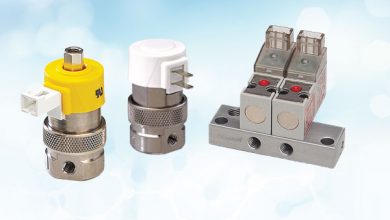
- Solenoid-operated valves
- Electronic control valves
- Pressure regulators
- Proportional control components
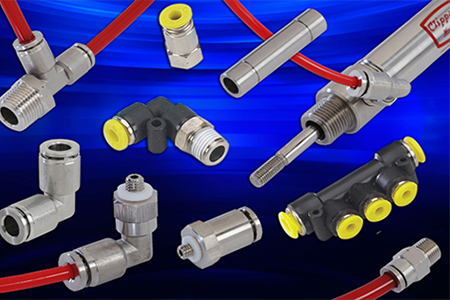
- Fittings and pneumatic accessories
The design emphasis is compact size, reliable sealing, and consistent response characteristics.
Directional Control Valves
Directional control valves manage airflow paths within pneumatic systems. Common configurations include:
- 2-way valves
- 3-way valves
- 4-way valves
These valves determine whether air is supplied, exhausted, or redirected to actuators.
Key Engineering Characteristics
- Fast response times
- Low internal leakage
- Compact footprint
- Compatibility with manifold mounting
Miniature directional valves are widely used in automation panels where space is limited but precise control is required.
Solenoid-Operated Pneumatic Valves
Solenoid valves convert electrical signals into mechanical movement, allowing automated airflow control.
Operating Principle
A solenoid coil generates a magnetic field when energized. This field moves a plunger or spool, changing the airflow path within the valve body.
Key considerations:
- Voltage compatibility
- Duty cycle rating
- Response time
- Seal material compatibility
- Environmental conditions
Solenoid pneumatic valves are widely used in automated manufacturing, packaging, instrumentation, and process control applications across the UAE.
Miniature Pneumatic Valves
Miniature valves are designed for compact systems where panel space is restricted.
Typical applications include:
- Laboratory automation
- Analytical equipment
- Packaging machines
- Robotics
- Medical device air systems
The advantage of miniature valves lies in:
- Reduced system footprint
- Lower air consumption
- Precise control at low flow rates
These characteristics make them suitable for precision engineering environments.
Pneumatic Pressure Regulators
Pressure regulation is essential in compressed air systems. Variations in upstream pressure can affect actuator speed, force, and reliability.
Clippard regulators are designed to:
- Maintain stable downstream pressure
- Compensate for upstream fluctuations
- Support consistent actuator performance
Engineering Function
A regulator uses a diaphragm and spring mechanism to balance downstream pressure against spring force. When downstream pressure drops, the regulator opens to restore pressure. When pressure rises above the setpoint, it restricts flow.
Key procurement considerations:
- Pressure range
- Flow capacity
- Adjustment resolution
- Port size
- Compatibility with system layout
Precision Control in Industrial Automation
In industrial automation systems, accuracy is critical. Inconsistent airflow can result in:
- Actuator misalignment
- Product defects
- Process instability
- Increased wear
Clippard pneumatic components are typically specified in:
- Automated packaging lines
- Assembly systems
- Test equipment
- Fluid dispensing systems
- Instrumentation panels
Their compact size supports high-density panel design.
Material and Construction Considerations
Material selection in pneumatic components influences:
- Corrosion resistance
- Wear resistance
- Seal durability
- Temperature tolerance
Common considerations include:
- Aluminum or stainless steel bodies
- Elastomeric seals compatible with compressed air
- Low-friction internal components
Correct selection reduces leakage risk and extends service life.
Air Quality and System Performance
Compressed air quality significantly affects valve longevity. Contaminants such as moisture, oil mist, and particulate matter can reduce component performance.
Best practices include:
- Proper filtration
- Drying systems
- Scheduled inspection
When sourcing Clippard Valves in UAE, ensuring compatibility with the site’s air preparation system is important.
Applications Across UAE Industries
Industrial Automation
Manufacturing lines depend on reliable pneumatic control for repetitive, high-speed operations.
Packaging and Processing
Precise air control ensures consistent packaging cycles.
Analytical and Testing Equipment
Miniature pneumatic valves are often integrated into laboratory and analytical instruments.
Assembly Systems
Compact valves support robotic and semi-automated assembly processes.
Procurement Considerations for Clippard Valves in UAE
When specifying pneumatic valves and regulators, confirm:
- Required valve configuration
- Port size
- Pressure range
- Flow capacity
- Mounting method
- Electrical compatibility (for solenoid models)
- Environmental exposure
- Quantity and lead time
Providing complete specifications ensures correct component selection.
RFQ Checklist
Include the following in your RFQ:
- Valve type (2-way, 3-way, 4-way)
- Operating pressure
- Flow requirement
- Electrical rating (if applicable)
- Port size
- Quantity
- Application description
- Delivery location (UAE)
FAQ
Are Clippard valves suitable for compact control panels?
Yes, miniature designs support high-density layouts.
What is the difference between directional valves and regulators?
Directional valves control airflow paths; regulators control pressure levels.
Can solenoid valves be integrated into automated systems?
Yes, they are designed for electrical actuation in automated control environments.
Why is pressure stability important?
Inconsistent pressure can affect actuator speed, repeatability, and overall process reliability.
Conclusion
Reliable pneumatic control requires precise components designed for consistent airflow management. Clippard Valves in UAE, including miniature directional valves and pressure regulators, support industrial automation, packaging, laboratory systems, and instrumentation panels where accuracy and compact integration are essential.
Correct specification, pressure compatibility, and application alignment are key factors in ensuring long-term performance.
Contact
Takmeel Global General Trading LLC
Office #315, Makatib Building
PO Box 85250, Port Saeed, Deira, Dubai, UAE
📞 +971 52 692 2575
📞 +971 04 256 4920
📩 info@takmeeltrading.com