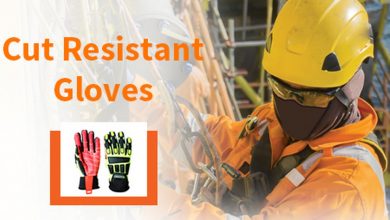
Hand injuries remain one of the most frequent workplace incidents across construction, oil and gas, marine, logistics, and manufacturing. In fast‑moving environments like Dubai and the wider UAE, where cutting, slitting, rig handling, and sheet‑metal tasks are routine, preventing lacerations is both a moral and business imperative. The solution is not a one-size-fits-all glove—it is a task‑matched, standards‑compliant cut-resistant glove selected for the specific hazards on site.
This guide explains how to choose cut-resistant gloves in the UAE, what the international standards actually mean, which liners and coatings work best in real‑world conditions, and how companies in Saudi Arabia and across the GCC can reduce injuries while improving grip, dexterity, and overall productivity.
Why Cut Protection Matters in UAE, Saudi Arabia, and the GCC
Industrial growth across the Gulf has accelerated high‑risk manual tasks: lifting and moving OCTG in oilfields, glass and aluminium fabrication, cable pulling, HVAC sheet‑metal work, demolition and fit‑out, and warehouse operations. These jobs combine sharp edges, burrs, and oily surfaces—a perfect storm for lacerations. Beyond medical costs, hand injuries cause downtime, lost productivity, project delays, and administrative burdens.
Adopting the correct cut-resistant gloves significantly reduces the severity and frequency of injuries. When the glove is matched to the hazard—cut load, sharpness, contact duration, and surrounding media (oil/water/chemicals), workers keep their grip and dexterity while staying protected.
Understanding Cut Standards: EN 388, ISO 13997 & ANSI/ISEA 105
EN 388 (Mechanical Risks)
EN 388 rates gloves for abrasion, cut, tear, and puncture. Modern cut performance is measured with ISO 13997 (TDM test), shown as levels A to F:
- A–C: light to medium cut risks (packaging, assembly, light fabrication)
- D–E: medium‑high risks (sheet metal, glass handling, cable pulling)
- F: very high cut forces (heavy fabrication, slitting lines, rig floor tasks)
You may also see an impact marking (letter P) when the glove includes back‑of‑hand protection tested to EN 13594.
ANSI/ISEA 105 (North America)
Some projects in Saudi Arabia and the GCC reference ANSI cut levels A1–A9. Rough equivalence exists between ANSI and ISO 13997, but they are not identical. If a specification calls for ANSI A6, choose a glove with that rating rather than assuming an ISO level is “close enough.”
Practical takeaway: Always match the exact standard and level requested in the work permit, method statement, or client specification.
Liner Technologies: What’s Inside the Glove Matters
Choosing a glove starts with the liner, which provides the structural cut resistance and dexterity.
- HPPE / UHMWPE (High‑Performance Polyethene): Excellent strength‑to‑weight ratio, cool to the touch, good for long wearing in hot UAE conditions. Often blended with fibreglass or steel to raise cut levels.
- Aramid Fibres: High heat resistance and stable cut protection, popular in fabrication and hot‑work adjacencies (not a replacement for certified heat gloves, but a good combined solution when moderate heat and cut coexist).
- Steel / Fibreglass Reinforcement: Boosts cut performance for D–F and ANSI A5–A7 tasks. Expect slightly less comfort; coatings become more important to regain tactility.
- Blended Knits: Mixing HPPE, aramid, nylon, and elastic fibres fine‑tunes dexterity, comfort, and durability.
Gauge (the knit density) influences feel: 13–18 gauge gloves are thin and tactile for precision; lower gauges (7–10) are thicker for rugged work.
Coatings & Grips: Matching Media and Tasks
The palm coating drives grip, oil handling, and abrasion life.
- Nitrile (Smooth / Foam / Sandy): The Gulf’s go‑to for oily surfaces. Foam or sandy nitrile channels oil away to maintain grip—ideal for rig floor, maintenance, and automotive.
- Polyurethane (PU): Light, tactile, and clean—great for dry handling, assembly, and wiring. Less effective in heavy oil.
- Latex: Strong wet grip and good abrasion; avoid when chemical compatibility or allergy concerns exist.
- Double‑Dip Systems: Extra layer for oil ingress resistance and longer life.
- Palm vs 3/4 vs Full Dip: More coverage resists oil and fluids better, but may reduce breathability. Balance protection with comfort for Dubai’s heat.
Other options: micro‑finish textures, dot patterns for extra grip, and reinforced thumb crotch for high‑wear zones.
Back‑of‑Hand Impact Protection (Rig & Heavy Maintenance)
On rigs and heavy maintenance lines, crush and impact injuries are as common as cuts. Look for gloves with TPR (thermoplastic rubber) impact guards tested to ANSI/ISEA 138 (Levels 1–3). Combining cut resistance (EN 388/ISO 13997) with impact certification gives comprehensive protection for oilfield and mechanical tasks across the UAE and Saudi Arabia.
Task‑Based Selection Guide
Use this quick matrix to align hazards with the right spec:
- General Warehousing / Packaging (cardboard, strapping): ISO A–B, PU palm, 15–18 gauge.
- Electrical & MEP Fit‑Out (duct edges, cable trays): ISO B–D, PU or light nitrile foam, touchscreen fingertips.
- Glass & Aluminium Fabrication: ISO D–E (or ANSI A4–A6), sandy nitrile for wet/oily grip, medium gauge.
- Steel Handling & Slitting: ISO E–F (ANSI A6–A7), reinforced zones, double‑dip nitrile.
- Rig Floor / Oilfield Maintenance: ISO D–F + ANSI/ISEA 138 impact; sandy nitrile, extended cuff.
- Food Processing: Food‑contact compliant liners, PU palm, required hygiene colour coding.
- Cold‑Store & Outdoor Winter Night Shifts: Insulated liner + nitrile foam for grip in condensation; ensure the cut level still meets the task.
Tip: Select the lowest level that provides safe protection—higher cut levels can increase stiffness, reducing dexterity. Over‑spec can backfire if workers remove gloves to “feel the job.”
Sizing, Fit, and Comfort (Adoption = Protection)
Protection only works if the glove is worn. Stock full-size runs (XS–3XL, where possible), and consider women’s fit options for better adoption. Features that increase wear‑time:
- Breathable backs for heat management in the UAE
- Touchscreen compatibility for permit apps and radios
- Extended knit cuffs to protect the wrist
- Low‑lint liners for cleanroom‑adjacent tasks
Care, Inspection, and Replacement
- Inspection: Before and after shifts—look for nicks, pulled fibres, coating wear, and seam failures.
- Laundering: Follow manufacturer instructions; aggressive heat or caustic chemicals can degrade HPPE and aramid performance.
- Replacement Rule: Any visible damage, loss of grip, or reduced elasticity warrants replacement. Establish change‑out intervals for high‑hazard tasks.
Common Mistakes to Avoid
- Relying on “Level 5” legacy labels: Modern ISO 13997 A–F replaced old cut tests—use current markings.
- Wrong coating for the media: PU in oil, latex around solvents, or smooth nitrile on wet steel leads to slips.
- Ignoring impact hazards: Cut‑only gloves on rig floors miss crush risks—spec ANSI/ISEA 138 when needed.
- One model for every task: Standardise by hazard class, not a single SKU.
- No training: Demonstrate differences in grip and cut levels so crews understand why choices vary.
Considerations for UAE, Saudi Arabia, and GCC Sites
- Heat & Humidity: Favour breathable backs and light HPPE blends; rotate pairs for sweat drying.
- Sand & Dust: Choose textured nitrile finishes; dust can polish coatings and reduce grip.
- Oil & Chem Exposure: Verify coating compatibility; select double‑dip or barrier layers where splash is likely.
- Marine & Offshore: Salt and UV degrade materials; consider UV-stabilised yarns and routine change‑outs.
FAQs
Q1: What cut level do I need for UAE construction fit‑out?
For mixed MEP and metal‑edge work, ISO C–D (or ANSI A3–A4) with PU or light nitrile foam provides a good balance of dexterity and protection.
Q2: What’s the difference between EN 388 and ANSI cut levels?
Both measures cut resistance but use different methods. EN 388 now relies on ISO 13997 (A–F). ANSI/ISEA 105 uses A1–A9. Match the level specified by the client.
Q3: Which coating works best on oily rig sites?
Sandy or foam nitrile. It channels oil and maintains grip for pipe handling and maintenance.
Q4: Do I need impact gloves in addition to cut resistance?
If there’s crush/knock risk (rig floor, maintenance, mechanical), choose gloves with ANSI/ISEA 138 impact certification plus the required cut level.
Q5: Can cut-resistant gloves be washed?
Yes—most can, but follow manufacturer guidance. Harsh heat and chemicals can reduce performance.
Procurement Checklist for HSE & Supply Chain Teams
- Required standard & level (ISO 13997 A–F or ANSI A1–A9)
- Impact certification (ANSI/ISEA 138) if needed
- Liner (HPPE/aramid/blends) and gauge for dexterity
- Coating (nitrile/PU/latex) tuned to oil/wet/dry handling
- Grip texture (sandy/foam/micro‑finish)
- Size range, cuffs, and touchscreen features
- Environmental factors (heat, UV, marine)
- Training and adoption plan
Conclusion: Cut Protection That Matches the Task
Specifying the right cut-resistant gloves in the UAE is a process—hazard assessment, standards alignment, liner/coating selection, and fit. When done properly, crews in Dubai, Abu Dhabi, Riyadh, Dammam, Doha, and across the GCC work faster and safer, with fewer lost‑time incidents and better grip in real‑world conditions.
For projects where cut, oil, impact, and heat combine, choose certified gloves with the lowest safe cut level that still preserves dexterity, and support adoption through sizing, training, and sensible replacement.
📞 Call to Action
Need help standardising cut-resistant gloves UAE across multiple sites in the GCC? Get task‑matched recommendations and sourcing support.
Takmeel Global General Trading LLC
Office #315, Makatib Building
PO Box 85250, Port Saeed, Deira, Dubai, UAE
📞 +971 52 692 2575
📞 +971 04 256 4920
📩 Email: info@takmeeltrading.com
🌐 Website: www.takmeeltrading.com