Supavac Pumps in Ghana: A Practical Solution for Mining Slurry, Tailings, and Sump Cleaning

Ghana is not a side-market for mining. It is Africa’s top gold producer, and in 2025 the country recorded 6 million ounces of gold output, with large-scale mines contributing 2.9 million ounces and artisanal and small-scale mining contributing the rest. That matters because when mining activity stays strong, the operational load on slurry handling, sump cleaning, tailings management, and contaminated solids transfer does not ease up. It grows.
That is exactly why the discussion around Supavac pumps in Ghana is commercially relevant. This is not about pushing a pump into a country because mining sounds attractive on paper. That is weak thinking. The real question is whether the equipment matches Ghana’s actual mining problems: thick slurry movement, tailings and pond cleaning, thickener spill management, sump and pit cleaning, waste solids control, and hazardous recovery in demanding mine environments. Supavac’s own published mining applications directly include sump and pit cleaning, transfer of mining slurries, mud and tailings transfer, thickener spill management, hazardous waste recovery, tailings and pond cleaning, and drains and culverts. That is a direct match, not a forced one.
Ghana is also under growing pressure to tighten environmental control around mining. Reuters has reported both widespread environmental damage linked to illegal mining and a formal ban on mining in forest reserves aimed at curbing water pollution and land degradation. Even though illegal mining and industrial mining are not the same thing, the broader consequence is clear: operators face stronger pressure to manage waste, water, sludge, and contaminated material properly. That makes good solids-handling equipment more important, not less.
Why Ghana Has a Real Slurry and Solids-Handling Problem
Mining in Ghana is productive, but productivity creates mess. Gold production at scale means slurry streams, process water contamination risk, settling problems, tailings movement, sump buildup, thickener residue, under-belt spillage, and cleanup tasks that nobody wants to perform twice. The bigger the operation, the more dangerous it is to treat these as side issues. They are not side issues. They affect uptime, labour efficiency, maintenance cost, and environmental exposure. Ghana’s recent output figures and policy pressure on the sector make that reality even sharper.
This is where many companies make a basic mistake. They assume that if a mine already has pumps, the problem is solved. Wrong. Clean-water pumping logic does not apply well to thick slurry, settled solids, tailings residue, and semi-solid waste. Once the material becomes abrasive, inconsistent, or solids-laden, the job changes completely. It stops being a normal pumping task and becomes a difficult transfer task. If the equipment is wrong, blockages increase, manual intervention rises, cleanup slows down, and maintenance teams end up wasting time on the pump instead of the problem.
That matters even more in Ghana because mining businesses are not operating in a carefree environment. Reuters has reported strong industry concern about proposed royalty and fiscal reforms, with mining companies warning that cost pressure could hurt investment and project economics. When producers are under margin pressure, inefficiency becomes even more expensive. If a site can reduce downtime and cleanup pain, that is not just a technical gain. It is a commercial gain.
The Main Operational Problems in Ghanaian Mining
The first problem is slurry transfer. In gold mining, slurry is not always predictable. It can vary in density, solids load, abrasiveness, and flow behaviour. If a site is moving slurry from process areas, transfer points, or maintenance cleanup zones, the system needs to handle more than liquid. Supavac specifically lists transfer of mining slurries as a mining hard rock application, which makes the product category relevant to Ghana’s gold-mining environment.
The second problem is tailings and pond cleaning. Tailings are not just a regulatory issue; they are an operational one. Ponds, dams, and settling areas accumulate material that eventually has to be cleaned, recovered, or transferred. Supavac publishes mud and tailings transfer, tailings and pond cleaning, and tailings dam applications under mining use cases. In a market like Ghana, where environmental attention around mining is already intense, that is a strong product-to-problem fit.
The third problem is sump and pit cleaning. This is one of those tasks that everyone knows is necessary and nobody wants to overcomplicate, but it becomes painful fast when solids build up. Supavac’s materials repeatedly mention sump and pit cleaning, shaft cleaning, and desilting as core use cases. That matters because many mine cleanup jobs are not glamorous; they are repetitive, dirty, time-sensitive maintenance tasks. If the pump is wrong, manpower goes up and productivity goes down.
The fourth problem is thickener spill management and desludging. Supavac directly lists thickener spill management and thickener desludging in its mining applications and product pages. That is commercially important because thickener-related cleanup is exactly the kind of heavy, awkward job where operators lose time if the transfer method is weak.
The fifth problem is hazardous and contaminated material recovery. Mining sites are not sterile environments. Waste streams can contain chemicals, fine solids, contaminated water, and difficult residue. Supavac includes hazardous waste recovery in its mining applications, which broadens its relevance beyond just basic slurry movement. In Ghana, where mining is under stronger scrutiny for environmental and health impacts, the ability to recover difficult material efficiently matters more than generic pumping claims.
Why Conventional Pumping Often Fails
This is the blunt part: many pumping setups fail because they were chosen for the wrong material.
If the material is thin and clean, plenty of pumps can do the job. But in Ghanaian mining, the real problems are usually not thin and clean. They involve settled solids, sludge, abrasive fines, thick residue, and inconsistent flow. That is where conventional systems often struggle. Operators then start improvising: manual cleanout, extra dilution, multiple handling steps, repeated stoppages, or partial removal. All of that costs time and increases labour exposure.
The wrong equipment also creates a false economy. It might look cheaper at purchase, but it becomes expensive when cleaning takes longer, jobs need repeating, or maintenance crews spend too much time dealing with clogs and interruptions. In a mining environment already dealing with production pressure and tighter economics, that makes no sense. Ghana’s ongoing debate over mining taxes and royalties only strengthens the case for operational efficiency.
Where Supavac Pumps in Ghana Fit Best
1. Mining slurry transfer
This is the most obvious fit. Supavac directly states that its mining applications include transfer of mining slurries. For Ghana, that makes the product relevant in gold-processing environments where difficult slurry movement is part of normal site reality.
2. Tailings and pond cleaning
Supavac also lists mud and tailings transfer, tailings and pond cleaning, and tailings dam applications. In Ghana, where environmental pressure around mining is high, this is one of the strongest practical angles for the product.
3. Sump, pit, and shaft cleaning
Supavac’s product and application pages repeatedly include sump and pit cleaning, shaft cleaning, and desilting. This is ideal for the kind of recurring mine-maintenance cleanup work that tends to become labour-heavy when the wrong system is used.
4. Thickener desludging
The company explicitly lists thickener spill management and thickener desludge work. That matters in processing plants where heavy residues and settled solids can become an ongoing operational burden.
5. Hazardous waste recovery
Supavac includes hazardous waste recovery in its mining and industrial applications. That expands the value case for Ghanaian sites handling contaminated or difficult waste streams in addition to standard slurry jobs.
Which Supavac-Type Options Make the Most Sense?
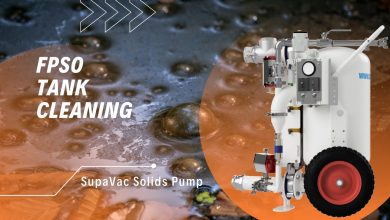
For heavier-duty mining and residue work, the SV250V is a serious option because Supavac positions it for thickener desludge, transfer of mining slurries, tailings and ash pond cleaning, sump and shaft de-mucking, and hazardous waste recovery. That makes it highly relevant for mine cleanup and process-related transfer problems in Ghana.
For sites that need a more mobile or flexible setup, the SV110-V2 deserves attention because Supavac lists thickener desludge, sump and shaft cleaning, tailings and ash pond cleaning, and transfer of mining slurries among its applications. That makes it a strong fit where portability and deployment speed matter.
For tougher, higher-density solids work, the SV280V is also relevant because Supavac positions it for sump cleaning and desilting, tank bottoms and sludge extraction, and tailings transfer or dewatering. That makes it useful in discussions about harsher-duty solids handling rather than lighter cleanup jobs.
The important point is simple: the right Supavac model depends on the job, but the broader product family clearly fits Ghana’s mining pain points.
Why This Has Real Commercial Value in Ghana
This is not content for traffic only. There is a real sales angle here.
If you are positioning Supavac pumps in Ghana, you are not selling a machine in isolation. You are selling:
- faster cleanup of mining slurry and residue,
- reduced manual handling,
- better suitability for solids-heavy material,
- more efficient sump and tailings management,
- and less operational pain around recurring maintenance work.
That appeals directly to:
- mine operations managers,
- plant maintenance teams,
- processing managers,
- HSE leaders,
- procurement officers,
- and mine-service contractors.
Those are the real buyers. They are not looking for marketing poetry. They are looking for equipment that solves a messy, expensive, recurring problem.
Final Thought
Ghana’s mining sector is strong, productive, and under pressure at the same time. Gold output is at record levels, environmental scrutiny remains intense, and fiscal reforms are forcing the industry to think harder about cost and efficiency. In that environment, inefficient slurry transfer and painful cleanup work become more than maintenance annoyances. They become business problems.
That is why Supavac pumps in Ghana are worth serious consideration. Supavac’s own published mining applications align directly with sump and pit cleaning, mining slurry transfer, mud and tailings movement, thickener spill management, hazardous waste recovery, and tailings pond cleaning. That is a clean commercial fit for Ghana’s mining reality.
If the goal is to reduce downtime, handle solids-heavy material more efficiently, and make difficult mine cleanup jobs less painful, this is not a random equipment discussion. It is a practical one.
FAQ
What are Supavac pumps used for in Ghana?
In Ghana, the strongest use cases are mining slurry transfer, sump and pit cleaning, tailings and pond cleaning, thickener desludging, and hazardous waste recovery, all of which Supavac lists in its mining applications.
Why are slurry and tailings handling important in Ghanaian mining?
Because Ghana is Africa’s top gold producer and its mines generate large volumes of process slurry, residue, and waste that must be managed efficiently; environmental pressure around mining also increases the importance of proper cleanup and transfer.
Which industries in Ghana would benefit most from Supavac pumps?
The clearest fit is gold mining and mine services, especially operations dealing with slurry transfer, tailings cleanup, thickener spills, and solids-heavy maintenance work.
Are Supavac pumps relevant only for liquid transfer?
No. Supavac positions its products for solids-heavy applications such as mining slurries, mud and tailings transfer, hazardous waste recovery, and sump or pit cleaning.
Need a Practical Slurry and Solids Handling Solution?
If your operation in Ghana is dealing with mining slurry, tailings buildup, sump cleaning, thickener residue, or other solids-heavy transfer problems, the right pumping system can make a serious difference in speed, safety, and maintenance efficiency. For technical discussions, product guidance, or application-based support on Supavac pumps in Ghana, contact Takmeel Global General Trading LLC.
Takmeel Global General Trading LLC
Office #315, Makatib Building
PO Box 85250, Port Saeed
Deira, Dubai, UAE
Phone: +971 52 692 2575 | +971 04 256 4920
Email: info@takmeeltrading.com