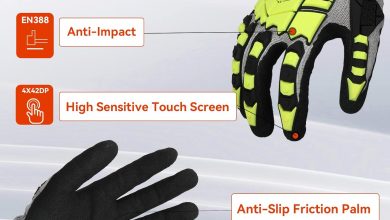
Cut Resistant Gloves UAE: Choosing the Right Hand Protection for Oil & Gas, Manufacturing, Construction, and Waste Handling

Hand injuries are one of the easiest industrial risks to underestimate and one of the hardest to eliminate once poor glove selection becomes routine. In the UAE and across the GCC, many worksites deal with a mix of sharp edges, rough surfaces, repetitive handling, oily components, sheet metal, glass, cable trays, tools, scrap, and mechanical parts. In these environments, the wrong glove does not just reduce comfort. It can reduce grip, slow precision work, increase fatigue, and leave workers exposed to cuts that should have been prevented.
That is why cut resistant gloves UAE is not a simple PPE keyword. It is a real procurement question. Buyers are not just asking for “gloves.” They are trying to solve a practical problem:
Which glove gives enough cut protection for the job without making the worker lose dexterity, grip, or control?
That question becomes even more important in sectors such as oil and gas, manufacturing, construction, waste handling, and maintenance, where hand exposure is constant and the work rarely involves just one hazard at a time.
This blog uses the two glove specifications you shared as practical examples of that decision:
- 58-3220 — a lighter, more dexterous cut level C glove for precision handling
- 50-6130 — a heavier-duty cut level F / ANSI A6 glove for more demanding cut-risk environments
The right answer is not that one glove is “better” than the other. The right answer is that each glove solves a different workplace problem.
Why cut resistance matters in UAE and GCC industrial work
Across the UAE and GCC, industrial operations often combine hard materials, repeated manual handling, dust, heat, and productivity pressure. Workers may be handling sheet metal in fabrication shops, valves and pipe supports in oil and gas maintenance, glass and sharp-edged components in manufacturing, rebar and steel accessories on construction sites, or mixed waste streams in recycling and segregation facilities.
In all of these environments, common hand injury causes include:
- contact with sharp edges
- accidental slips while carrying parts
- dragging hands across rough or unfinished surfaces
- pinch and scrape exposure during fitting and alignment
- repeated contact with abrasive materials
- cut exposure during dismantling, repair, and handling
The mistake many workplaces make is treating all cut hazards as the same. They are not.
A worker performing precise component handling in a controlled manufacturing area does not need the same glove as a worker handling scrap, broken materials, or sharp metal parts in heavy-duty industrial conditions. When companies use one glove type for every department, they often end up with two problems at once: some workers are under-protected, while others are wearing gloves too bulky for their tasks.
The real problem: one glove does not fit every cut-risk task
Good hand protection is not about buying the highest cut level and assuming the issue is solved. In real operations, gloves must balance several factors:
- cut protection
- grip
- dexterity
- comfort
- abrasion resistance
- task suitability
- worker acceptance
If the glove is too heavy for the task, workers may struggle with precision, become frustrated, or remove it when accuracy matters most. If the glove is too light for the hazard, the hand remains exposed.
This is exactly why the two gloves you shared make sense in one article. They represent two different solutions to two different workplace problems.
Glove 1: 58-3220 for lighter, more precise cut-risk work
The 58-3220 specification you shared positions this glove as a multi-purpose ultra-lightweight cut level C micro foam coated glove. The sheet highlights features such as:
- 18 gauge construction
- micro foam palm coating
- secure dry and oil grip
- high breathability
- strong dexterity and tactility
- applications including intricate assembly, automotive downstream aftermarket/component handling, construction, white goods manufacturing, and aerospace
The performance shown on the sheet includes EN388:2016 4X43C and ANSI/ISEA cut level A3.
This type of glove solves a very specific problem: workers need meaningful cut resistance, but they also need to keep hand movement, feel, and control.
Where this kind of glove makes sense
A lighter cut-resistant glove is usually the better solution when workers are:
- assembling smaller parts
- handling components that have moderate sharp-edge exposure
- working in precision-oriented tasks
- moving between frequent handling motions
- requiring dry or light-oil grip without a bulky glove profile
Why that matters in GCC operations
In the UAE and GCC, heat and long wear times matter. If a glove is too heavy for a lighter-duty handling task, compliance often drops. Workers are more likely to remove gloves or use them incorrectly when they feel overly restrictive. That is why breathable, tactile gloves with moderate cut protection often perform better in departments where precision is just as important as protection.
So for buyers, the 58-3220-type glove is not a “light” option in a negative sense. It is a targeted solution for jobs where workers need cut resistance without sacrificing control.
Glove 2: 50-6130 for higher cut-risk industrial work
The 50-6130 is positioned by Tilsatec as a medium weight cut resistant latex palm coated glove and part of its hand protection range designed to meet higher cut-protection requirements. Tilsatec states that this glove provides ANSI A6 cut resistance, a durable crinkle latex palm coating for dry and wet grip, and strong abrasion and puncture performance. The company also lists applications such as assembly, automotive industry, metal fabrication/stamping, glass manufacturing, construction, white goods manufacturing, utilities, and aerospace.
The specification sheet you shared also aligns with this heavier-duty positioning, showing EN388:2016 level F cut resistance, medium-weight construction, and use cases including glass manufacturing, metal fabrication / stamping, waste handling / recycling, manufacturing, and construction.
This type of glove solves a different problem: the task has a higher cut hazard, and the priority shifts more toward protection and durability.
Where this kind of glove makes sense
A heavier, higher-cut glove is usually the better choice when workers are:
- handling sharp-edged metal
- working with glass or abrasive material
- dealing with waste segregation or recycling streams
- carrying scrap or unfinished fabricated items
- exposed to repeated cut and abrasion hazards
- operating in maintenance areas with sharper material contact
Why that matters in GCC operations
On many GCC industrial sites, glove damage is not theoretical. Gloves are torn, worn down, contaminated, and replaced under real production pressure. A higher-cut glove helps when the work includes repeated contact with sharper materials and the glove needs to survive more aggressive handling conditions. In those cases, durability becomes as important as the cut rating itself.
Oil and gas: where glove selection often goes wrong
Oil and gas operations should not automatically default to one glove type either. Different tasks create different hand hazards.
Lighter cut-resistant gloves are more useful when:
- workers are handling smaller components
- precision matters during fitting or alignment
- there is moderate sharp-edge exposure
- the task involves frequent hand movement and grip sensitivity
Heavier cut-resistant gloves are more useful when:
- workers are handling steel parts, pipe supports, brackets, or rough-edged materials
- there is greater risk of contact with sharp metal or damaged surfaces
- the work is more physically abrasive
- glove durability is a major concern
In oil and gas maintenance, shutdown work, and workshop support functions, the wrong glove often creates one of two failures:
- the glove is too light and gets damaged too quickly, or
- the glove is too heavy and workers lose dexterity for the task
That is why a cut-resistant glove program should be matched to work type, not just site category.
Manufacturing: precision versus protection
Manufacturing is where the difference between these two glove types becomes especially clear.
In one department, workers may be carrying smaller formed parts, performing assembly, or handling finished components. In another, they may be exposed to sheet metal, fabrication edges, sharp offcuts, or high-abrasion handling.
A lighter glove such as the 58-3220-type profile makes sense when:
- tactile feel matters
- handling is frequent and repetitive
- cut risk is moderate rather than extreme
- productivity depends on precision
A heavier glove such as the 50-6130-type profile makes sense when:
- cut risk is significantly higher
- abrasion is constant
- the glove must survive tougher use
- the task includes more aggressive material contact
For procurement teams, this is a strong reminder that “cut resistant gloves UAE” should not be treated as one SKU decision across the full factory.
Construction and waste handling: why higher cut levels matter
Construction and waste handling are two sectors where glove under-specification is common.
Construction
Construction workers often handle:
- metal accessories
- cable trays
- steel sections
- fasteners
- rough materials
- temporary works components
These tasks can involve both abrasion and cut exposure, especially where edges are unfinished or irregular.
Waste handling and recycling
Waste operations introduce unpredictable material streams. That makes glove selection more difficult because workers may encounter:
- mixed materials
- sharp broken items
- jagged edges
- repeated abrasive contact
This is exactly the kind of environment where a glove like the 50-6130, with its higher cut protection and stronger-duty profile, becomes more relevant. Tilsatec explicitly includes waste handling / recycling and metal fabrication / stamping within the application range for this model.
Why grip is part of the cut-protection discussion
A glove can have a strong cut rating and still fail operationally if workers cannot hold materials securely.
This is one reason the two gloves you shared are useful to compare:
- the 58-3220 sheet highlights micro foam coating and secure dry and oil grip
- the 50-6130 is described by Tilsatec as having a crinkle latex palm coating designed for excellent dry and wet grip
That matters because many hand injuries are not caused by a sharp edge alone. They happen when a worker loses control of a component first. Grip is therefore not a secondary feature. It is part of the protection equation.
Practical procurement guidance
If you are buying cut resistant gloves UAE for multiple departments, do not ask only:
“Which glove has the highest protection?”
Ask instead:
- what is the actual cut hazard?
- how much dexterity does the task require?
- is the work dry, wet, oily, dusty, or mixed?
- does the glove need to survive abrasion?
- is this precision handling or rugged handling?
- do workers need tactile control or maximum durability?
Practical selection logic
Use a lighter cut-resistant glove when:
- the work is more precise
- hand movement matters
- the cut hazard is moderate
- comfort and compliance are major concerns
Use a heavier higher-cut glove when:
- the materials are sharper
- the work is more abrasive
- glove durability matters
- the task environment is more punishing
RFQ checklist for cut resistant gloves
When sending an RFQ, include:
- industry and department
- task description
- type of material handled
- wet, dry, or oily conditions
- whether dexterity is critical
- whether abrasion is high
- required cut performance level
- sizes required
- monthly or annual volume
- delivery location in UAE or GCC
A better RFQ leads to a better glove recommendation.
FAQ
Are all cut resistant gloves suitable for oil and gas work?
No. Some tasks need lighter gloves for control, while others require heavier-duty gloves for sharper and more abrasive handling.
Is a higher cut level always better?
Not always. A higher cut level can come with more bulk, which may reduce dexterity for precision tasks.
When is a lighter cut-resistant glove the better option?
When workers need good tactility, comfort, breathability, and secure grip for precision handling with moderate cut risk.
When is a heavier-duty cut-resistant glove better?
When work involves sharper materials, greater abrasion, waste handling, metal fabrication, or more aggressive industrial exposure.
Why should companies use more than one cut-resistant glove?
Because different departments face different hazards, and one glove type rarely performs equally well across all tasks.
Conclusion
The real challenge in selecting cut resistant gloves UAE is not simply finding a glove with cut protection. It is finding the right level of cut protection for the actual job.
The two gloves you shared show that clearly:
- 58-3220 is better aligned with lighter, more precise, and more dexterity-sensitive work
- 50-6130 is better aligned with tougher, higher cut-risk, and more abrasive industrial handling
For operations across the UAE and GCC, especially in oil and gas, manufacturing, construction, and waste handling, the right glove strategy is not one product for all users. It is a problem-solution approach based on real hand exposure, actual materials handled, and the balance between protection and performance.
Contact Us
Takmeel Global General Trading LLC
Office #315, Makatib Building
PO Box 85250, Port Saeed, Deira, Dubai, UAE
📞 +971 52 692 2575
📞 +971 04 256 4920
📩 info@takmeeltrading.com